"The same thing, but much cheaper."
At first, we always start comparing, and this is a smart strategy. But you need to compare wisely and pay attention to details. Below, we'll talk about the 7 most common tricks that can turn the joy of an imaginary benefit into a big disappointment.
And let's start with the main mistake. If you are offered "the same thing, but much cheaper" in the same price segment, this is the first wake-up call to think about it. In such a highly competitive industry as ours, the difference is always small - and even here, you can always come to an agreement. But you should understand that there are no fairy tales.
What is most often caught when comparing offers:
1. Approximate calculation
Unfortunately, a common scheme is a quick rough calculation without specifying details during the first contact, then specification and a significant increase in price during a personal visit. Our regulations provide for the mandatory clarification of all the nuances at once, the construction of a project and an accurate, final calculation. Yes, it will take some discussion and time, but it is important, first of all, for you.
2. 2.
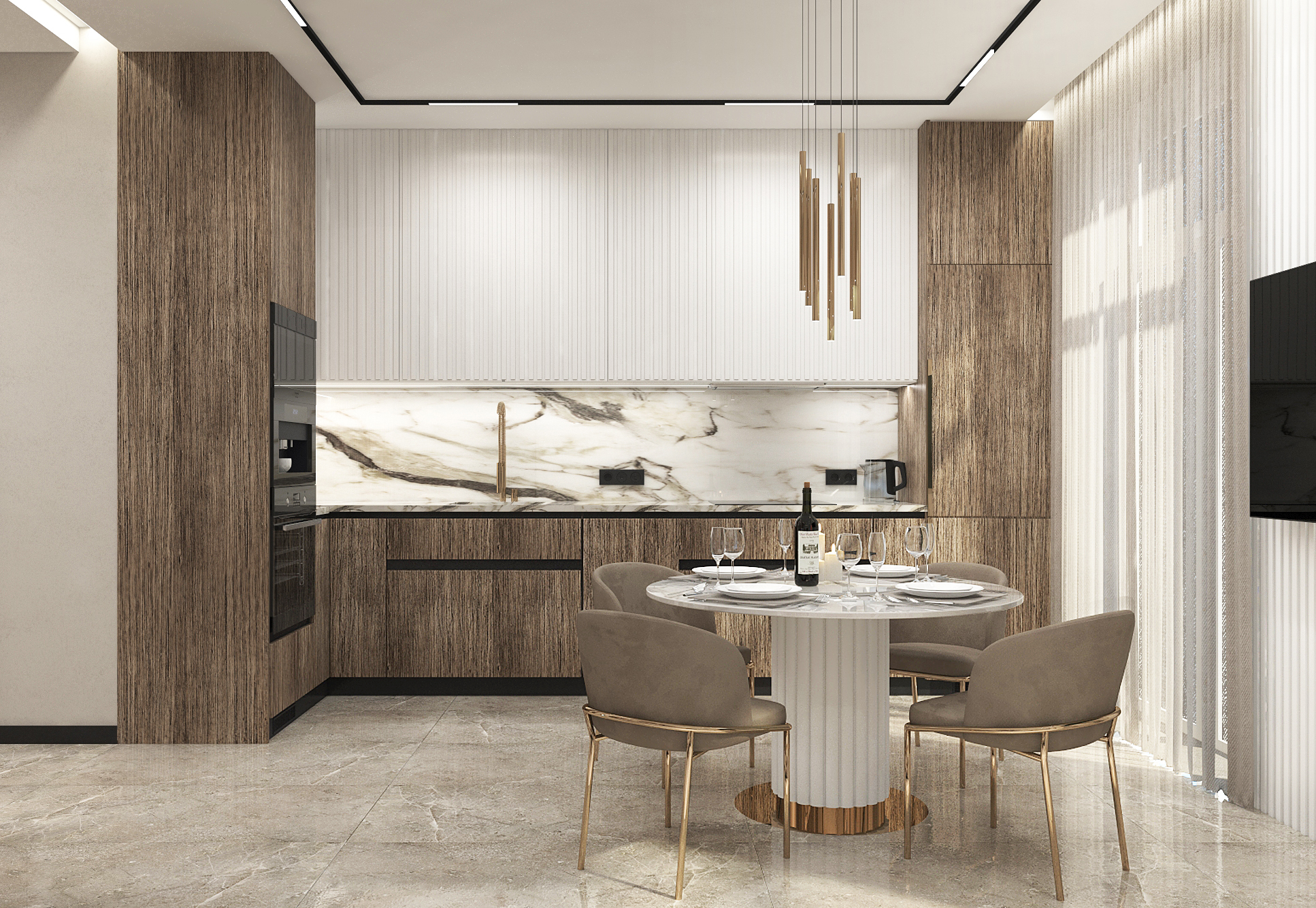
Pay attention to whether the design and dimensions of such an attractive offer have been changed. It is enough, for example, to slightly reduce the height of the upper cabinets and remove the mezzanine without your knowledge, as a noticeable difference appears. Be sure to ask questions and specify details.
3. Equipment.
A common situation: the proposal seems to have everything, but later it turns out that some details and elements are not included - usually under the pretext that "we did not discuss this" (back to point 1). A conscientious specialist will always (!) explain not only what is included, but also what is NOT included in the proposal and is left for discussion. The most classic example is the visible sidewalls in the facade material, which are "forgotten" to be included, because they give a significant premium to the price.
4. Accessories segment
The offer should include not just "drawers" or "hinges with a closer," but brands and model names. This is always a fertile ground for lowering the price of fittings with a shorter service life. We use hardware only with a high margin of opening cycles of at least 50-100 thousand and prescribe the name for a reliable assessment of the complete set.
5. Material substitution
Unfortunately, the practice of substituting one material for another is not uncommon: for example, some types of films can be passed off as more expensive plastic due to their edging features, called eco-veneer, etc. But you need to understand that film should be compared to film, no matter what you call it.
6. Production technology
Using the example of the most popular material, enamel, we recommend that you always specify how many layers of coating are applied: the durability and appearance of the facades depend on this. It will not be superfluous to request a brand certificate.
7. 7. Hidden services
Be sure to specify which services are included in the calculation. Often, they do not include assembly and delivery, which is more than 10% plus to the total cost. From the very beginning, we decided to add these parameters to the offer so that the customer could see the real final cost. But there is also a standard rule for the market that you shouldn't be afraid of: additional services for cutting and installing equipment on site are always considered and paid for separately in all companies.
Compare and choose wisely!